Events > Events Archive > Leading with Insight: Resilient Campus Services for a Changing Sector
Feedback
Feedback
We would love to hear your thoughts, concerns or problems with anything so we can improve!
Feedback Submitted
Thank you for submitting your feedback
Leading with Insight: Resilient Campus Services for a Changing Sector
27 - 28 November 2025
Aston University
Winter Conference
27 & 28 November 2025
Winter Conference Round-Up
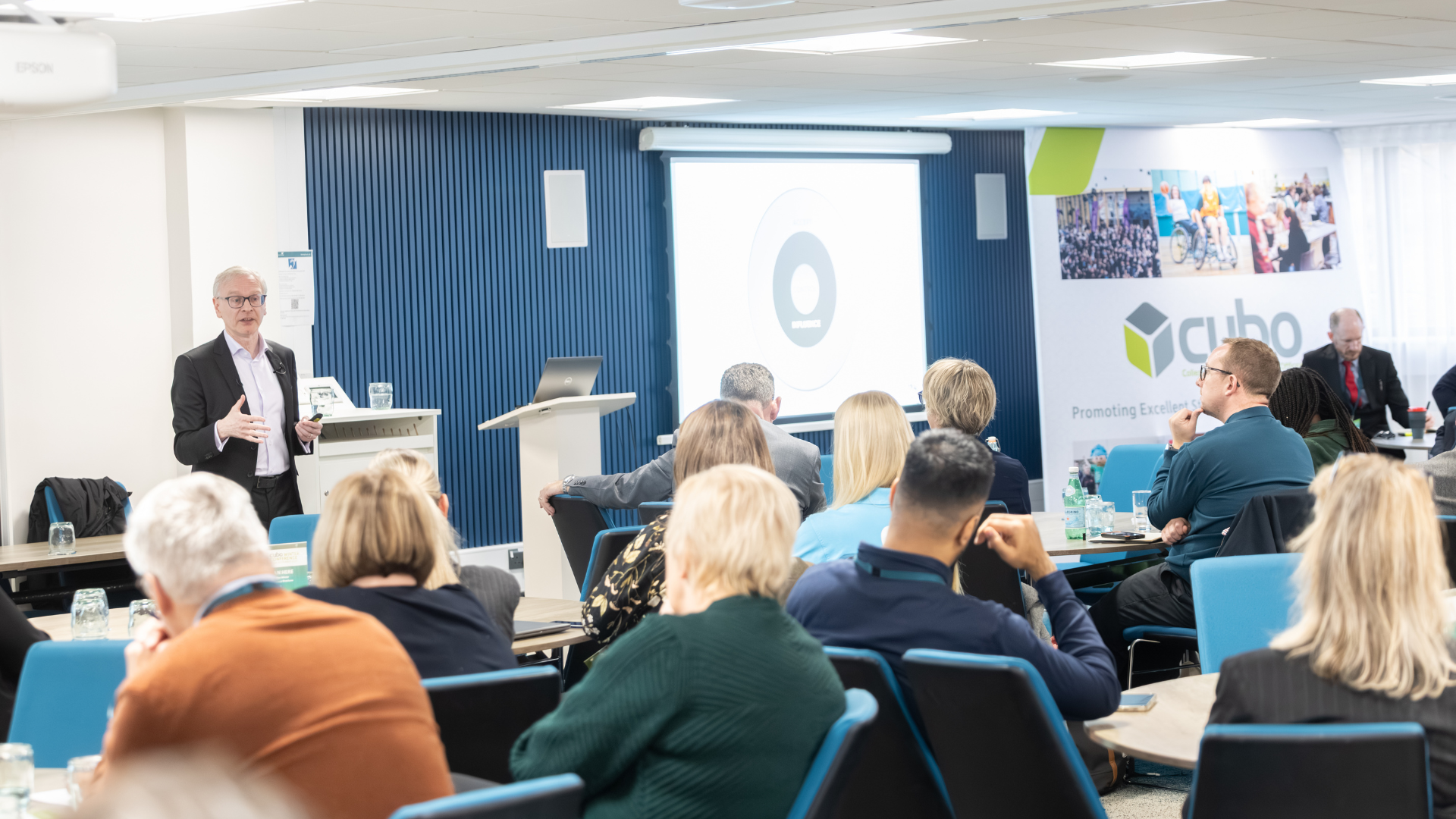
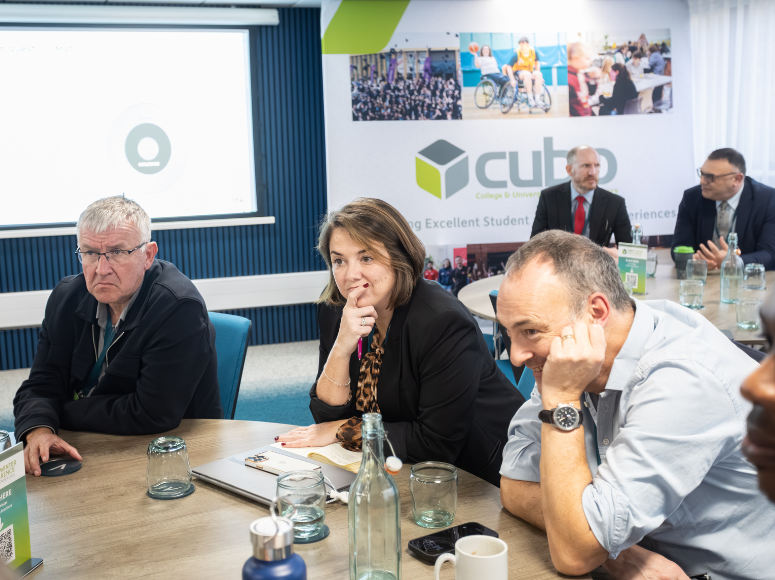
This year’s CUBO Winter Conference took place at Aston University, focusing on insight-led strategy for commercial resilience, reflecting the need for university campus and commercial services to continue weathering a storm of challenges.
We heard from a range of speakers giving insight into the current and fast-moving student and accommodation trends, discussed the latest findings from research into belonging and commuting students, networked with peers and business partners, and got a closer look at Aston University’s thriving commercial strategy.
Here’s some of what we learned....
UK Government policy favours the eight high-growth sectors (IS-8+2) identified in its Industrial Strategy - this is reflected in the lifelong learning entitlement and indicates a move away from 3 year full-time degrees.
The number of students in paid employment is rapidly rising, due to cost of living pressures and maintenance grants not covering those costs. Some students are balancing full time work with a full time degree, spending little time on campus and catching up on lectures online. University teams should consider opening more on-campus jobs up to students.
If your institution or service looks like every other one, you are competing on price - whereas if your institution/service feels different, you compete on desire.
Students and customers are looking for sustainable universities and venues, so sustainability needs to underpin everything you do. One way to signal your commitment to sustainability is to become a B-Corp - a single department or service can register for B-Corp status instead of the whole institution.
Embedding wellbeing into expectations, operations and culture means that staff and teams feel valued and perform better.
We need to start putting social spaces with food back into faculty buildings, as that's where many students feel they belong. If staff costs are a concern, consider smart vending solutions.
Create more eating areas for those who bring lunch onto campus, including facilities to heat up food.
73% of participating institutions have seen an increase in commuting students over the past 4 years. The trend appears to be primarily driven by cost of living, with other contributing factors, and the impact on some student housing markets will be significant.
In the current market, universities have much more power than they think when exploring student accommodation contracts and offers on their old accommodation stock - negotiate!
Setbacks are an opportunity to bounce forward rather than "bounce back" - how can we improve on what came before? For example, the pandemic pushed many businesses online which they have since leveraged to grow beyond their 2019 operations.
A NASA study found that 98% of children aged 4-5 scored at a genius level for creativity, but this number declined to less than 2% by adulthood. This is because the educational system favours a single, right answer over idea generation, suppressing creativity. To solve a problem, focus on generating as many imperfect ideas as possible, without judgement. You can test them later!
This site uses cookies and other tracking technologies to assist with navigation and your ability to provide feedback, analyse your use of the site and services and assist with our member communication efforts.
Privacy Policy.
Accept cookies
Cookie Settings
Your Privacy
When you visit any web site, it may store or retrieve information on your browser, mostly in the form of cookies. This information might be about you, your preferences or your device and is mostly used to make the site work as you expect it to. The information does not usually directly identify you, but it can give you a more personalised web experience.
Because we respect your right to privacy, you can choose not to allow some types of cookies. Look at the cookies we use below to help you make an informed decision. However, blocking some types of cookies may impact your experience of the site and the services we are able to offer.
Strictly Necessary Cookies
Always Active
These cookies are necessary for the website to function and cannot be switched off in our systems. They are usually only set in response to actions made by you which amount to a request for services, such as setting your privacy preferences, logging in or filling in forms.
You can set your browser to block or alert you about these cookies, but some parts of the site will not then work. These cookies do not store any personally identifiable information
Cookies Used
Microsoft - ASP.NET_SessionId – keeps you logged in for a set period of time, so that you don’t have to keep logging in
Performance Cookies
These cookies allow us to count visits and traffic sources so we can measure and improve the performance of our site. They help us to know which pages are the most and least popular and see how visitors move around the site.
All information these cookies collect is aggregated and therefore anonymous. If you do not allow these cookies we will not know when you have visited our site, and will not be able to monitor its performance