Feedback

13 - 14 May 2026
Burleigh Court, Loughborough University

Banner

2026 CUBO Residence Life Conference Highlights

Two days of shared ideas, honest conversations and energising connections across the residence life community.


Highlights from the CUBO Residence Life Conference 2026

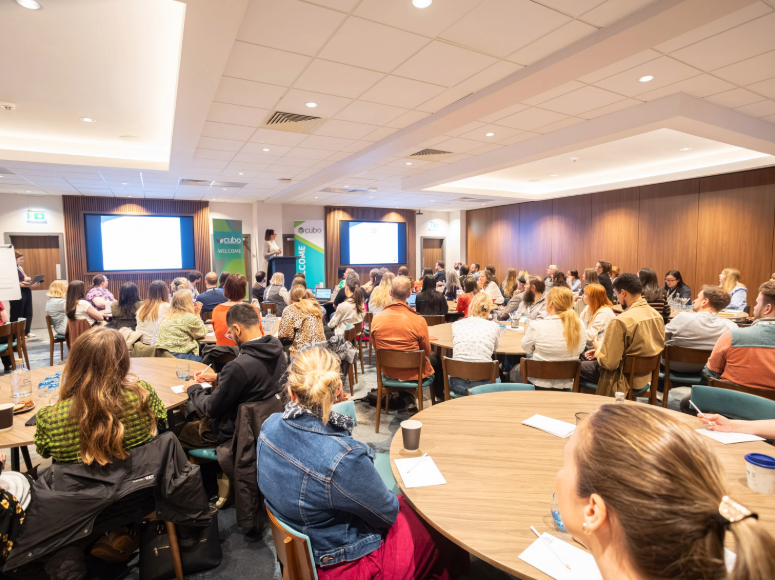
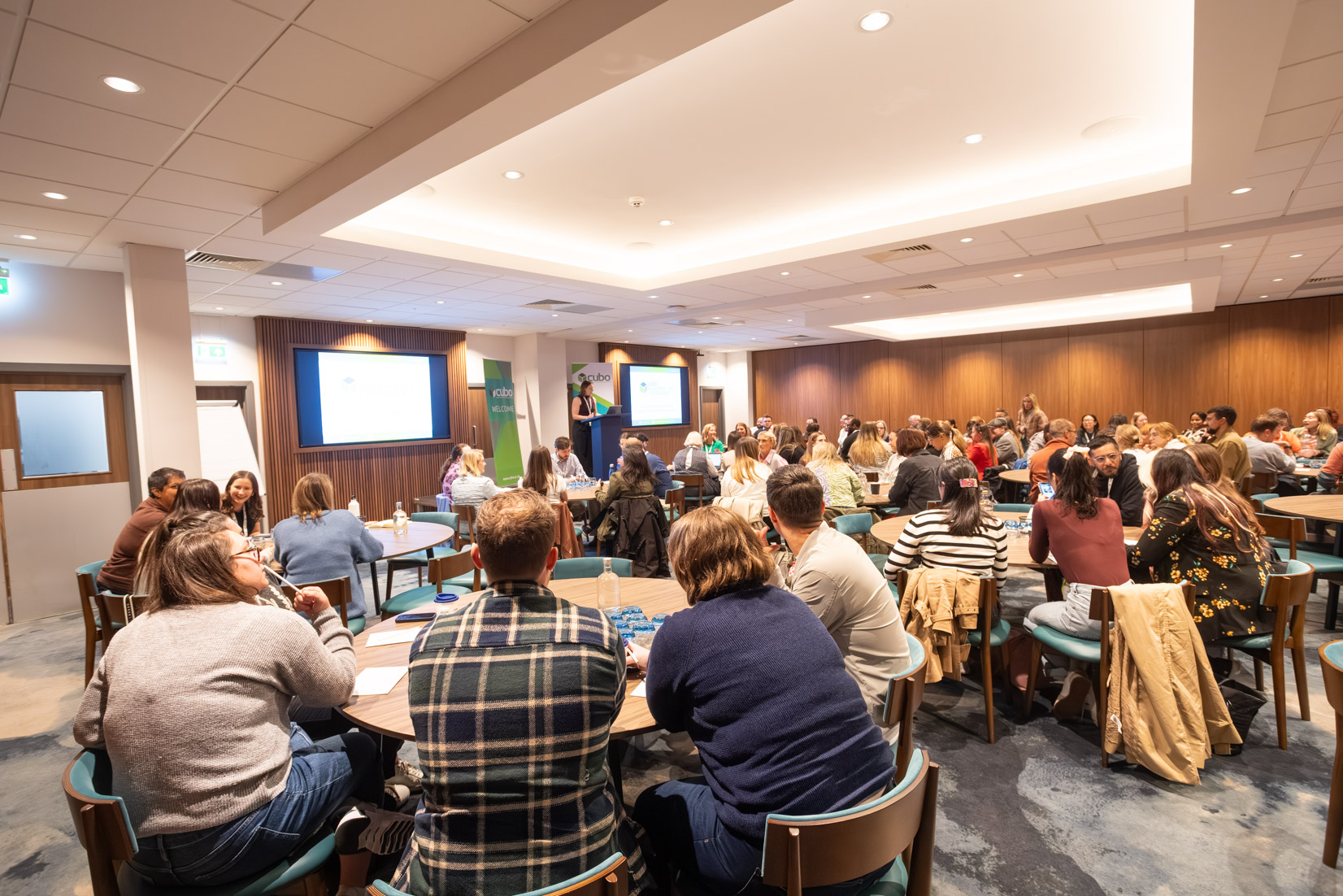
This year we were at Burleigh Court in Loughborough for the 2026 CUBO Residence Life Conference, bringing together colleagues from across the UK and beyond to explore best practice, share sector insights and support professional development, including welcoming a delegate who travelled all the way from New Zealand.

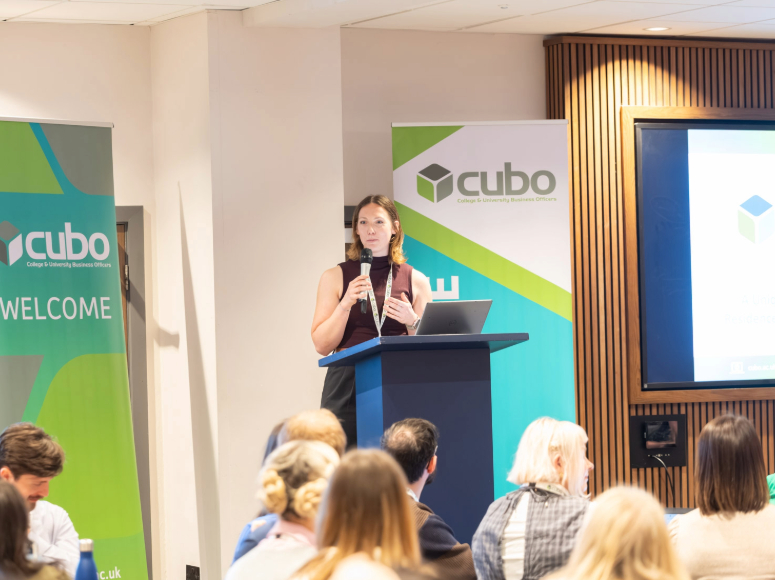
With Sarah Djuric and the Steering Group at the helm, this year’s programme was packed with forward-thinking workshops and inspiring keynotes, equipping delegates with practical tools and ideas to take back to their own institutions. This conference also marked Sarah’s final year leading the Residence Life Group, recognising the significant contribution she has made in shaping and growing the community.



Key Themes from the Conference

Across the two days, several key themes emerged that reflect both current challenges and future opportunities within residence life:

  • Belonging is becoming more nuanced
    While overall belonging remains strong, student experiences are increasingly shaped by identity, lifestyle and expectations, requiring more flexible and inclusive approaches.
  • Connection remains at the heart of the student experience
    Meaningful human interaction continues to underpin wellbeing and community, even as digital expectations grow.
  • Communication is evolving and becoming more complex
    Institutions are navigating communication overload and exploring how to improve visibility and relevance.
  • Teams must continue to adapt to changing student expectations
    There is increasing emphasis on personalised support and balancing technology with authentic, community-based experiences.

Keynote Summaries

Delivered by Sarah Ead, this keynote provided an early look at sector data exploring faith, ethnicity and belonging within student accommodation. The session highlighted the complexity of student experience and challenging common assumptions.

Key takeaways:

  • Belonging is not universally lower for students of faith, and in some cases is higher than the overall average

  • Social integration is generally positive, but varies depending on lifestyle, nationality and shared living expectations

  • Conflict in shared spaces remains a key pressure point, particularly in kitchens and communal living environments

  • Structural barriers such as timetabling, competing commitments and lack of awareness often have a greater impact on inclusion than direct exclusion

  • Students are not seeking segregation, but environments that better align with their lifestyles and preferences

Jacob Dunne shared his lived experience to explore restorative approaches to conflict and accountability. His session encouraged reflection on how teams engage with students and approach behavioural challenges.

Key takeaways:

  • Working with students leads to more meaningful and lasting outcomes than working for them
  • Conflict should not always be avoided. When approached constructively, it can support growth and learning
  • Restorative approaches enable accountability while supporting understanding and relationship rebuilding
  • Dialogue allows students to explore impact, develop empathy and reflect on behaviour
  • Developing a sense of hope requires clear goals, pathways and support
  • Residence life staff play an important role in modelling behaviour and creating space for reflection

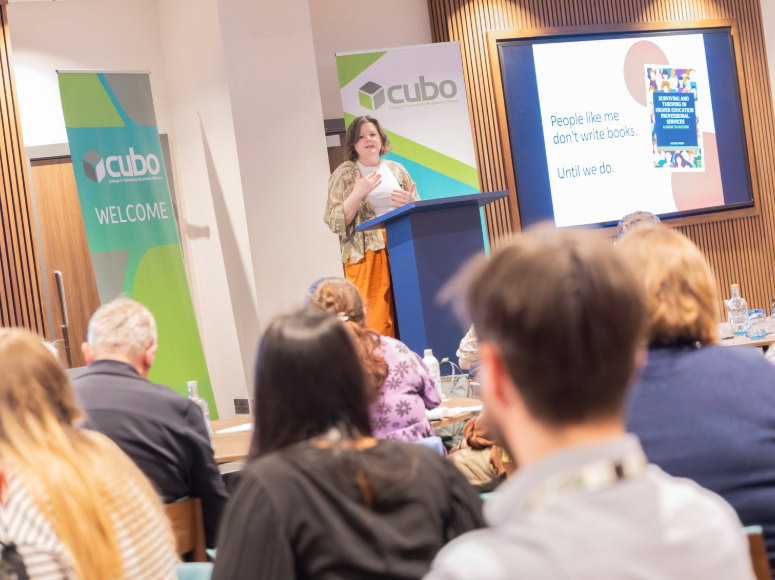
Rachel Reeds brought a practical and empowering perspective, encouraging professionals to challenge systems and take ownership of their role within higher education.

Key takeaways:

  • Asking “why” and “what if” can challenge established practice and create space for improvement
  • Innovation often comes through small, practical changes rather than large-scale transformation
  • Self-advocacy is essential for professional development and progression
  • Strong networks across peers, managers and sponsors support growth and opportunity
  • Courage is often demonstrated through everyday decisions and actions
  • Residence life professionals are central to shaping the student experience

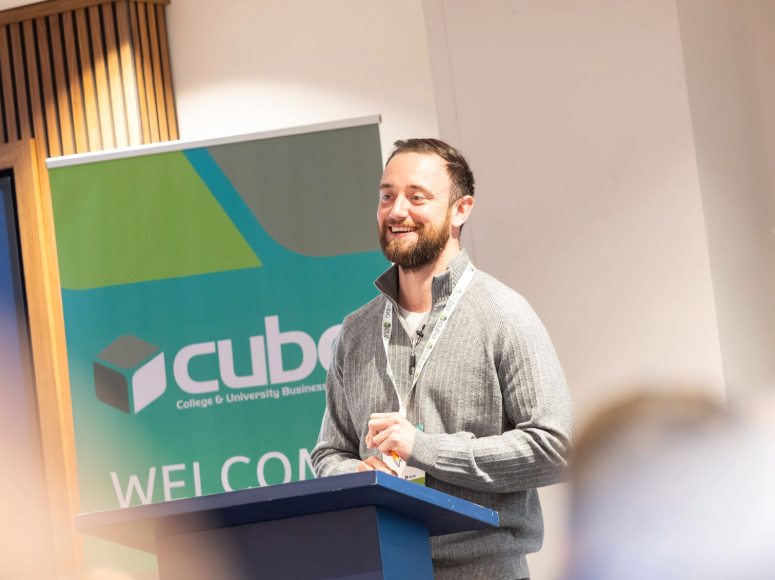
Caroline Cockell explored the expectations of future students and the implications for the sector. Drawing on research with younger audiences, the session focused on how behaviours and priorities are shifting.

Key takeaways:
  • Gen Alpha students expect seamless, low-friction experiences shaped by constant access to technology
  • Digital maturity does not replace the need for human connection
  • Attitudes towards university are changing, with more openness to alternative pathways
  • Social and academic pressures are increasingly visible from a younger age
  • Students value identity, comfort and opportunities for self-expression
  • Future environments must balance technology, wellbeing and community


Workshop streams summaries

This pathway explored how residence life teams can create inclusive environments that reflect and support diverse student communities.

Key highlights include:

  • Inclusive environments should be intentionally designed across physical, organisational and social elements, recognising how space, policy and group dynamics influence belonging
  • Representation, safety and shared experience all play a role in shaping inclusive communities
  • Programming should encourage reflection and active engagement with difference, rather than focusing solely on awareness
  • Structured approaches such as Celebrate, Educate and Interrogate can support more balanced programming
  • Inclusion is most effective when embedded across all aspects of residence life, rather than delivered through standalone initiatives
  • Ongoing reflection is needed to ensure environments continue to meet the needs of diverse student groups

This pathway focused on the role of residence life in supporting development beyond the academic experience.

Key highlights include:

  • Residence life provides a key space for co-curricular development, supporting independence, confidence and life skills
  • A structured residential curriculum enables intentional, sequenced learning aligned to clear outcomes
  • Learning should take place across multiple formats including events, peer interaction, one-to-one support and digital engagement
  • Collaboration with other teams allows programmes to build on existing strengths and avoid duplication
  • Assessment should focus on what students learn and how they apply it, rather than attendance alone
  • Living Learning Communities support both academic and social development through shared experience
  • Informal approaches such as gamification can increase engagement by reducing pressure and making participation more accessible

This pathway explored how to support wellbeing and respond to behaviour within residential communities.

Key highlights include:

  • Zero tolerance approaches can limit reporting rather than reduce harm, prompting a shift towards harm reduction models
  • Harm reduction emphasises education, support and meeting students where they are
  • Alcohol continues to have a significant impact on welfare incidents within halls
  • Digital tools and accessible education can improve reach and awareness
  • Success should be measured through behaviour change, help-seeking and peer support
  • Digital culture is influencing how students communicate, build relationships and engage in shared spaces
  • Many challenges are linked to loneliness, pressure and identity, highlighting the need for preventative support
  • Building safe environments relies on consistency, clarity and strong relationships

This pathway explored how residence life is evolving in response to changing expectations and sector pressures.

Key highlights include:

  • A strong extracurricular experience is linked to improved belonging, wellbeing and satisfaction
  • Engagement within halls is uneven, with some students highly involved and others facing barriers such as time, confidence and awareness
  • Early experiences, particularly arrival, play a key role in shaping long-term engagement
  • Specialist accommodation options can support wellbeing, satisfaction and community building
  • Data can highlight gaps in engagement and representation
  • Effective storytelling uses real student experiences to create relatable and inclusive communications
  • Multi-channel approaches are essential to reach different student groups
  • Data should be used to inform decisions and drive improvements in practice

Residence Life Star Awards 2026

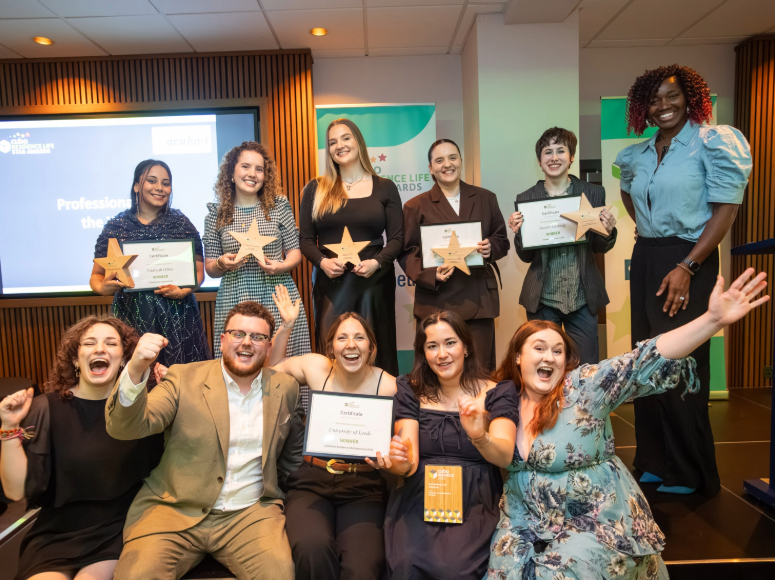
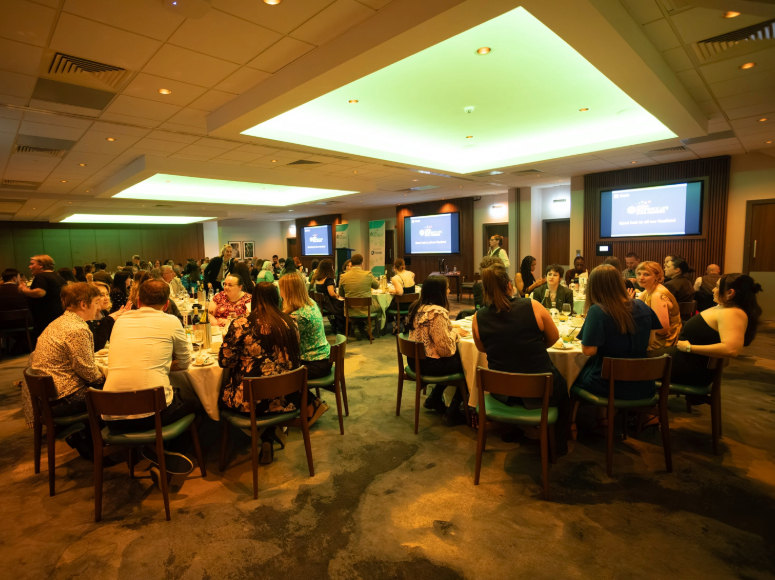
A highlight of the conference as always was the Residence Life Star Awards held on the 13 May. These awards celebrate the contributions of students and professionals across the sector.

The awards recognised the individuals and teams making a real difference to the student experience, with a strong sense of support and community reflected throughout the evening.


This site uses cookies and other tracking technologies to assist with navigation and your ability to provide feedback, analyse your use of the site and services and assist with our member communication efforts. Privacy Policy. Accept cookies Cookie Settings